A Dog Owner’s Guide to a Safe Easter: Chocolate Hazards and How to Avoid Them
Easter in the UK is a time for family, celebration—and lots of chocolate. But if you share your home with a dog, it’s also a time to be especially cautious. Chocolate may be a treat for humans, but for dogs it can be dangerous, even life-threatening. Here’s how to keep your pet safe while still enjoying the holiday.
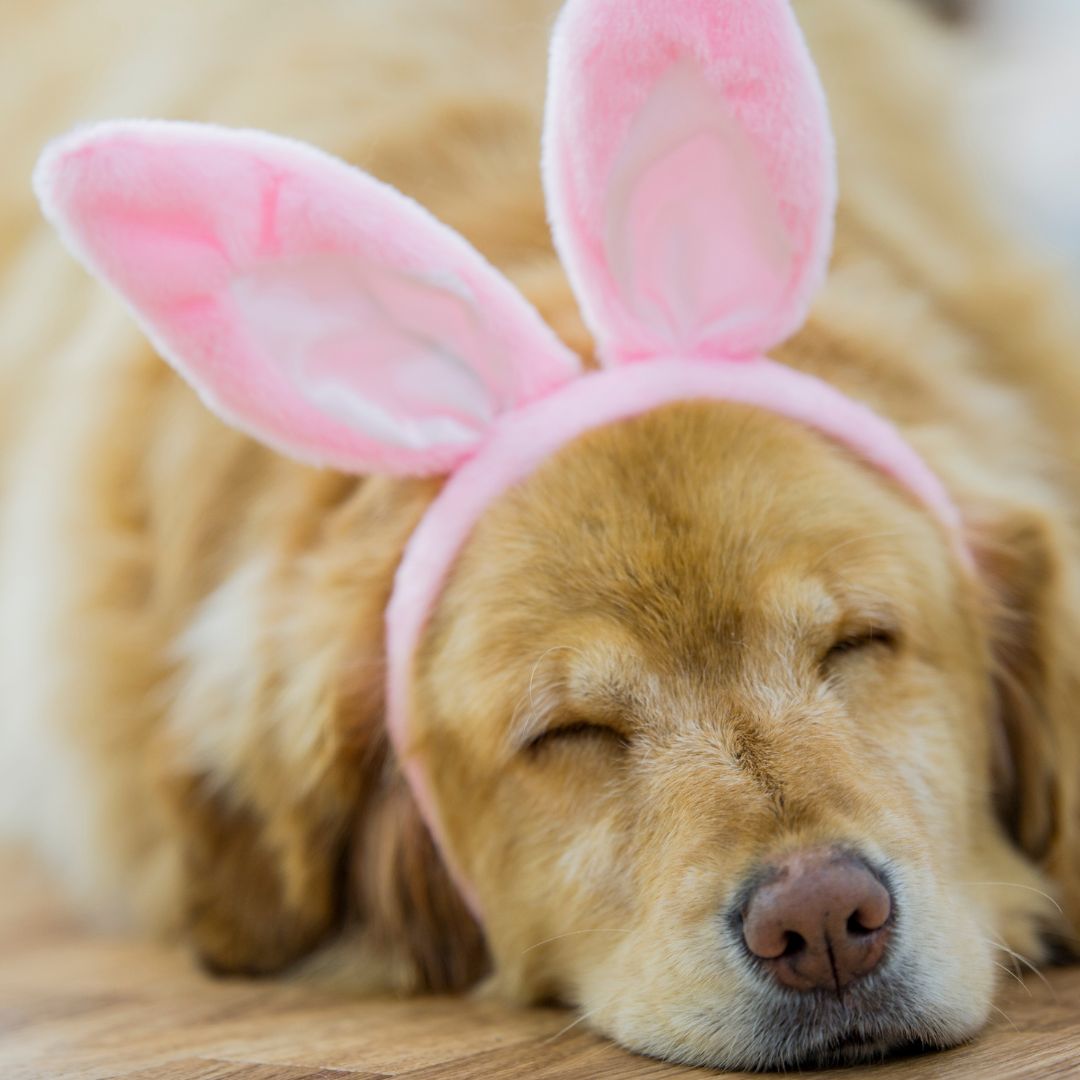
Why Chocolate Is Dangerous for Dogs
Chocolate contains substances called theobromine and caffeine, both of which dogs cannot process effectively. Even small amounts can cause symptoms, and the darker the chocolate, the more toxic it is.
- Dark chocolate & cocoa powder: Very high risk
- Milk chocolate: Still dangerous in moderate amounts
- White chocolate: Low theobromine, but high fat and sugar (can still cause illness)
Common Easter Risks in UK Homes
Easter traditions often increase the chances of accidental poisoning:
- Easter egg hunts: Chocolate hidden around the house or garden can be easily found by dogs
- Gift hampers: Left within reach on tables or floors
- Visitors: Guests may unknowingly feed dogs chocolate
- Children: Little ones may drop or share sweets
Signs of Chocolate Poisoning
Symptoms usually appear within 6–12 hours and can include:
- Vomiting or diarrhoea
- Restlessness or hyperactivity
- Rapid breathing or heart rate
- Tremors or seizures
- Collapse in severe cases
If you notice any of these signs, contact your vet immediately.
What To Do If Your Dog Eats Chocolate
Act quickly—don’t wait for symptoms to appear.
- Estimate how much was eaten (type and quantity of chocolate)
- Call your vet or an emergency vet service straight away
- In the UK, you can also contact services like the Animal PoisonLine if your vet isn’t immediately available
Prompt treatment greatly improves outcomes.
Practical Tips for a Safe Easter
A little planning goes a long way:
1. Store Chocolate Safely
Keep all Easter treats in cupboards or high shelves—dogs are surprisingly resourceful.
2. Supervise Egg Hunts
If you’re organising an Easter egg hunt, keep your dog indoors or on a lead until all chocolate is collected.
3. Educate Guests and Children
Politely remind visitors and children not to feed your dog any treats without asking.
4. Choose Dog-Friendly Alternatives
Consider giving your dog a special treat made just for them. Many UK pet shops sell dog-safe “chocolate” made from carob.
5. Check Packaging
Foil wrappers and plastic packaging can also cause choking or intestinal blockages if swallowed.
Extra Caution: Hot Cross Buns
Another Easter staple in the UK, hot cross buns often contain raisins or sultanas, which are also toxic to dogs. Keep these well out of reach too.
Easter should be enjoyable for every member of the family—including your dog. By staying aware of the risks and taking a few simple precautions, you can avoid emergencies and focus on celebrating safely. If in doubt, always err on the side of caution—when it comes to chocolate and dogs, it’s simply not worth the risk.
Extra Support: Probiotics
Why not have our probiotics on standby for any small tummy upsets as well.

Visit the Broadreach Nature + website for more information on A Dog Owner’s Guide to a Safe Easter: Chocolate Hazards and How to Avoid Them
ENQUIRY FORM